The Biuty Journal
Evidence-led skincare guides, ingredient explainers, and skin tracking methods to help you understand what is changing in your skin and what to do next.
Expired Skincare and Sunscreen: When to Keep, Replace, or Throw It Away
Expiration dates, period-after-opening symbols, storage, and changes in smell or texture can help you decide when a skincare product is no longer reliable.
PDRN Skincare: What “Salmon DNA” Serums Can and Cannot Promise
PDRN is one of 2026’s most talked-about K-beauty ingredients. Topical products may support hydration and a smoother appearance, but they should not be treated as the equivalent of injectable procedures.
How to Layer Skincare Products: A Simple Order That Prevents Routine Overload
A practical skincare order is cleanser, prescribed or targeted treatment, moisturizer, sunscreen, then makeup. Fewer compatible steps are usually easier to evaluate.

Moisturizer for Oily Skin: How to Hydrate Without Chasing a Matte Finish
Oily skin still benefits from moisturizer. The goal is comfortable hydration with a texture you will use, not stripping skin until it feels tight.
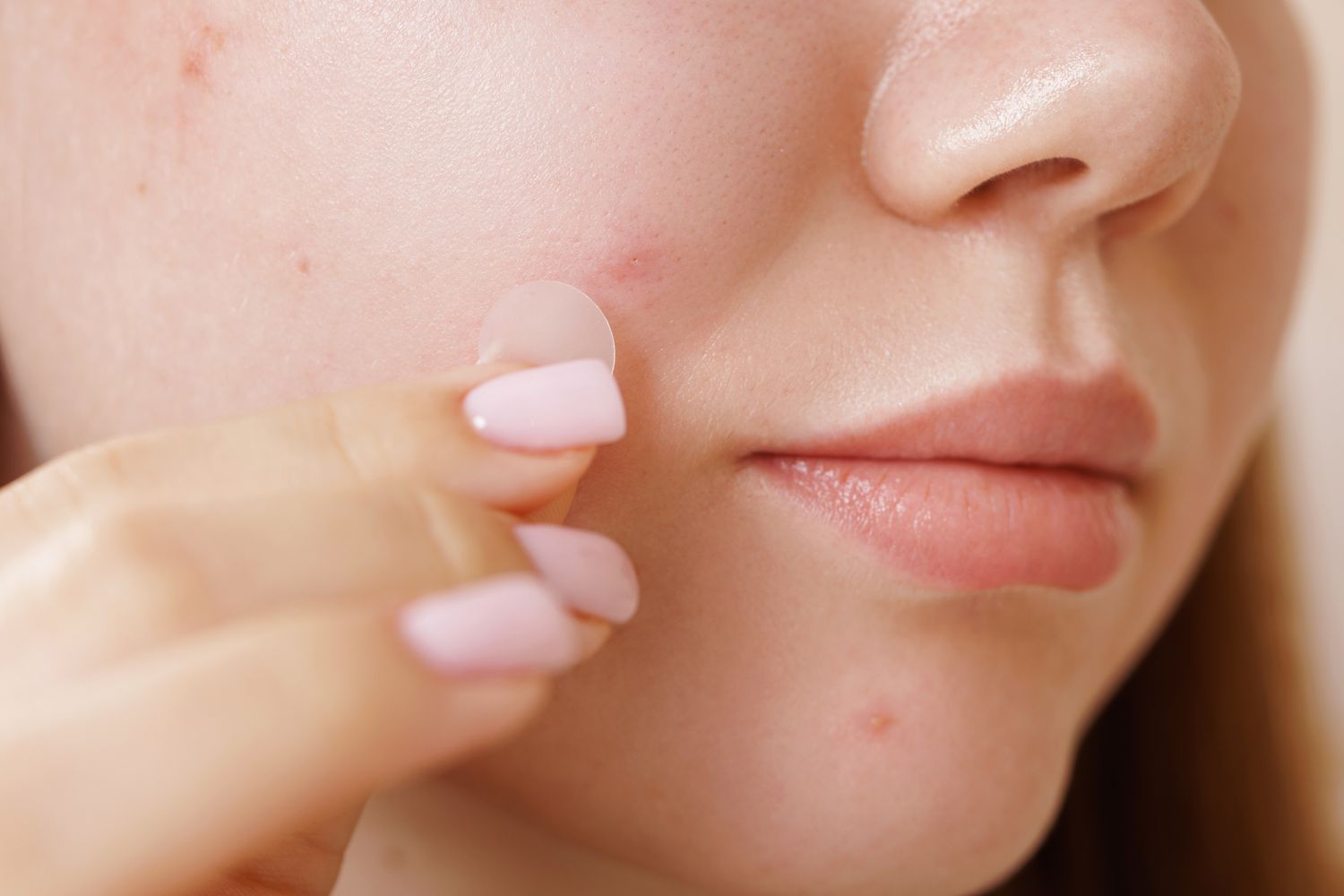
Pimple Patches: What They Can Do and When They Will Not Help
Hydrocolloid pimple patches can absorb fluid from some surface pimples and reduce picking, but they do not treat deep, painful, or widespread acne.

Ceramides in Skincare: What They Do and How to Read the Rest of the Formula
Ceramides are skin lipids commonly used in moisturizers to support hydration and barrier comfort, but the full formula and your routine determine how a product feels.

Salicylic Acid vs Glycolic Acid: How to Choose Without Over-Exfoliating
Salicylic acid and glycolic acid exfoliate differently. Choose by goal, formula, and tolerance, then introduce only one exfoliating variable at a time.

Double Cleansing: Who Needs It and When One Cleanser Is Enough
Double cleansing can help remove stubborn makeup or water-resistant sunscreen, but it is optional. A gentle single cleanse may be enough when skin is already clean and comfortable.
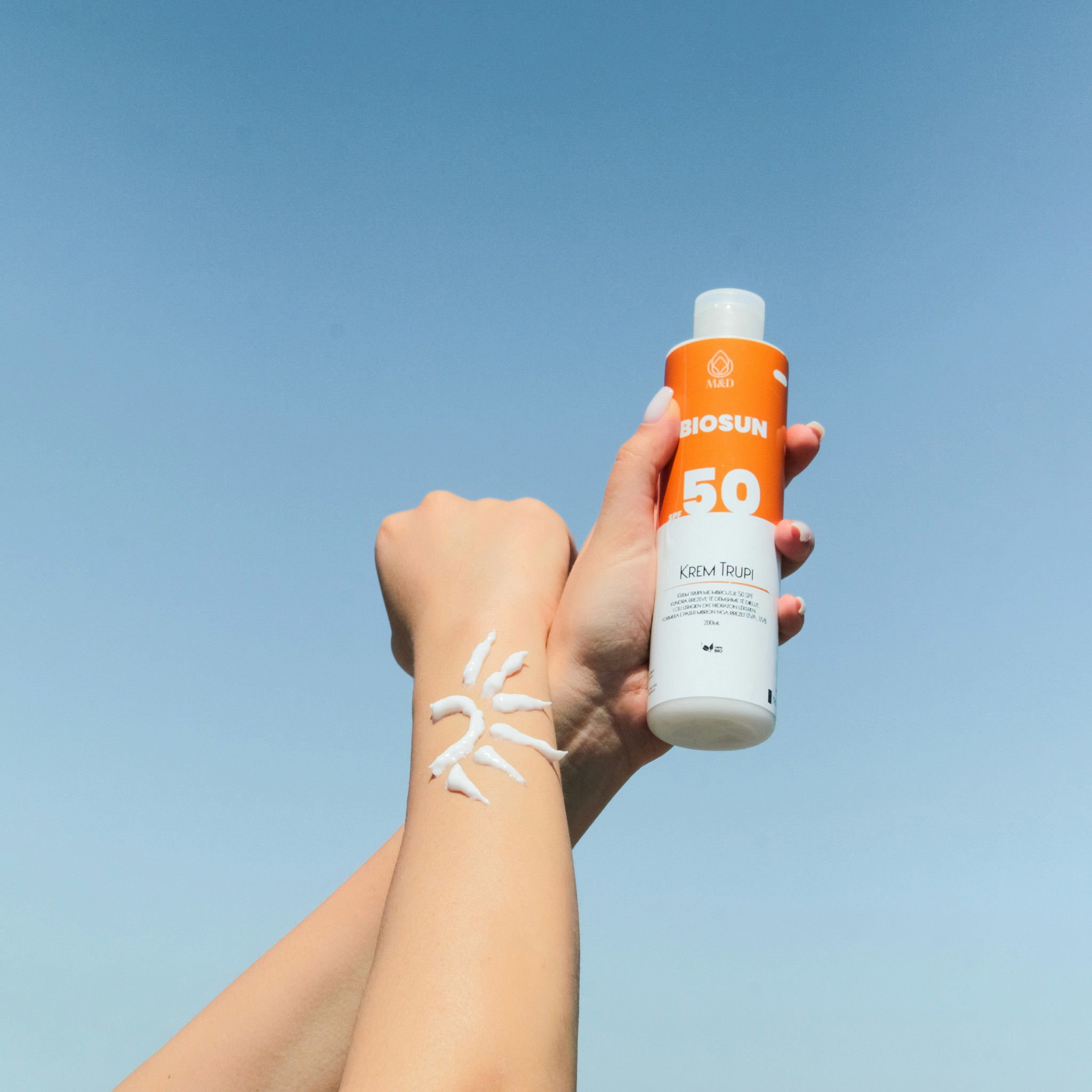
Sunscreen Reapplication: What Counts as Enough Protection During the Day
Sunscreen works best as a system: choose broad-spectrum SPF 30 or higher, apply enough before outdoor exposure, and reapply every two hours or after swimming or sweating.
Skin Scan Apps and Privacy: What Users Should Ask Before Uploading Photos
Before uploading face photos to a skin scan app, check collection, analysis, sharing, retention, deletion, security, consent, and whether claims match reality.
Skincare Routine Not Working? How to Troubleshoot Without Starting Over
Troubleshoot a skincare routine by checking the goal, timeline, adherence, irritation, product overlap, and photo quality before replacing everything at once.

Hyaluronic Acid: Why It Sometimes Makes Skin Feel Drier
Hyaluronic acid is a humectant, but the formula, application method, moisturizer, climate, and skin barrier determine whether it feels comfortable.

Large Pores: What You Can Change, What You Cannot, and What to Track
Pores cannot be erased, but oil, congestion, hydration, texture, and photo conditions can change how visible they look. Use this realistic tracking plan.

Personalized Skincare Is Not Just a Quiz: What Better Matching Requires
Better personalized skincare uses goals, tolerance, routine context, visible changes, and feedback instead of treating one skin-type quiz as a diagnosis.
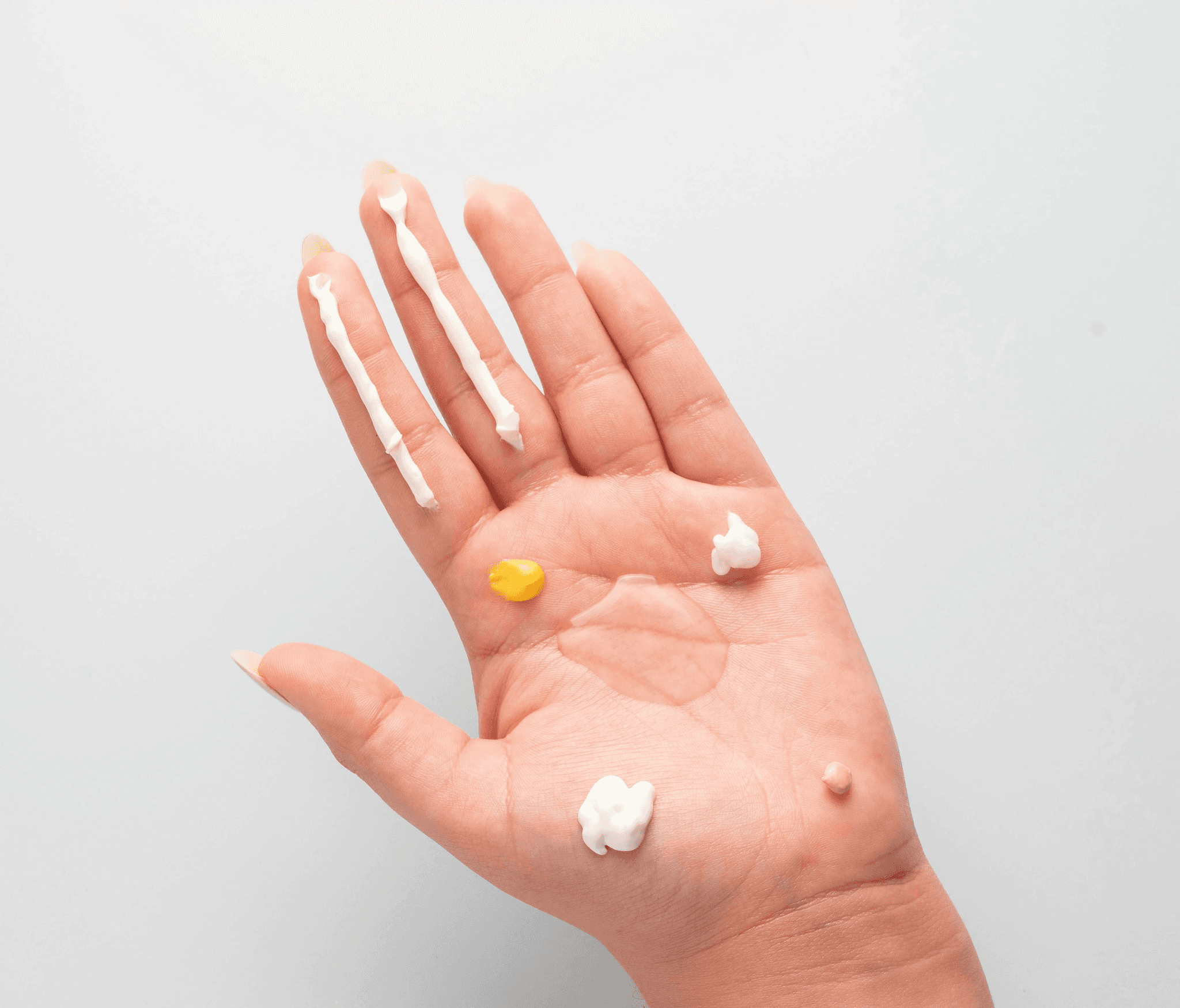
Product Testing in Skincare: How to Introduce One New Product at a Time
Use a controlled skincare product test to check early tolerance, introduce one variable at a time, and avoid confusing irritation with normal adjustment.

Vitamin C for Dark Spots: What It Can Do and What It Cannot Do Alone
Vitamin C may support brighter, more even-looking skin, but formula stability, irritation, sunscreen, and the cause of dark spots all shape the result.

Redness on Face: Irritation, Sensitivity, Rosacea, or Barrier Damage?
Use the timing, sensation, location, and triggers of facial redness to decide what to pause, what to track, and when a dermatologist should assess it.
Azelaic Acid for Redness, Acne Marks, and Texture: Who It Helps Most
Learn when azelaic acid may help redness, acne marks, breakouts, and texture, how to introduce it carefully, and which changes deserve expert advice.

AI Skincare Apps: What to Look For Before You Trust a Recommendation
Not every AI skincare app is useful in the same way. This guide explains what matters before you trust a recommendation: clear inputs, realistic claims, progress tracking, privacy boundaries, and a workflow that helps you learn instead of over-treating your skin.
Retinoids for Beginners: How to Start Without Losing Your Skin Barrier
Retinoids can be useful for acne, texture, and early photoaging, but beginners often start too fast and end up blaming the ingredient for a routine problem. This guide explains how to begin more carefully, what irritation signs matter, and how to build a retinoid routine without turning your skin barrier into the experiment.

How Long Does Skincare Take to Work? A Realistic Timeline by Goal
Some skincare changes show up in days, while others need months of steady use. This guide breaks down realistic timelines for hydration, irritation, breakouts, dark spots, texture, and fine lines so you can judge progress without quitting too early or pushing through the wrong routine.

Skin Barrier Damage: Signs, Triggers, and a Simple Recovery Tracking Plan
A stressed skin barrier can make even basic skincare start to sting, tighten, or feel suddenly wrong. This guide explains the most common signs, the triggers that often push skin over the edge, and a simple recovery tracking plan so you can calm your routine instead of guessing.
Niacinamide: When It Helps, When It Irritates, and How to Track Results
Niacinamide can support barrier function, oil balance, and uneven tone, but it is not automatically calming for everyone. This guide explains when it fits your goal, how to introduce it, and what to track if your skin starts pushing back.

Skin Texture vs Pores vs Bumps: How to Tell What You Are Seeing
Texture, pores, and tiny bumps often get lumped together, but they do not all mean the same thing. This guide helps you spot the differences, track the right clues, and avoid over-treating the wrong problem.

Before-and-After Skincare Photos: The Mistakes That Make Progress Hard to See
Before-and-after photos can be useful, but only if lighting, angle, timing, and expectations stay consistent. This guide shows how to take progress photos that help you learn instead of second-guessing.

What Is AI Skin Analysis and What Can It Actually Tell You?
AI skin analysis can organize visible skin signals, but it should not be treated like a diagnosis. This guide explains what a skin scan can help track, what it cannot know, and how to use it responsibly.
The 14-Day Skin Journal: What to Track Before Changing Products
A skin journal helps you separate real progress from mirror-to-mirror guessing. Here is a simple 14-day framework for tracking photos, symptoms, products, habits, and visible changes before you overhaul your routine.
Dark Spots vs Acne Marks vs Hyperpigmentation: What Changes the Plan?
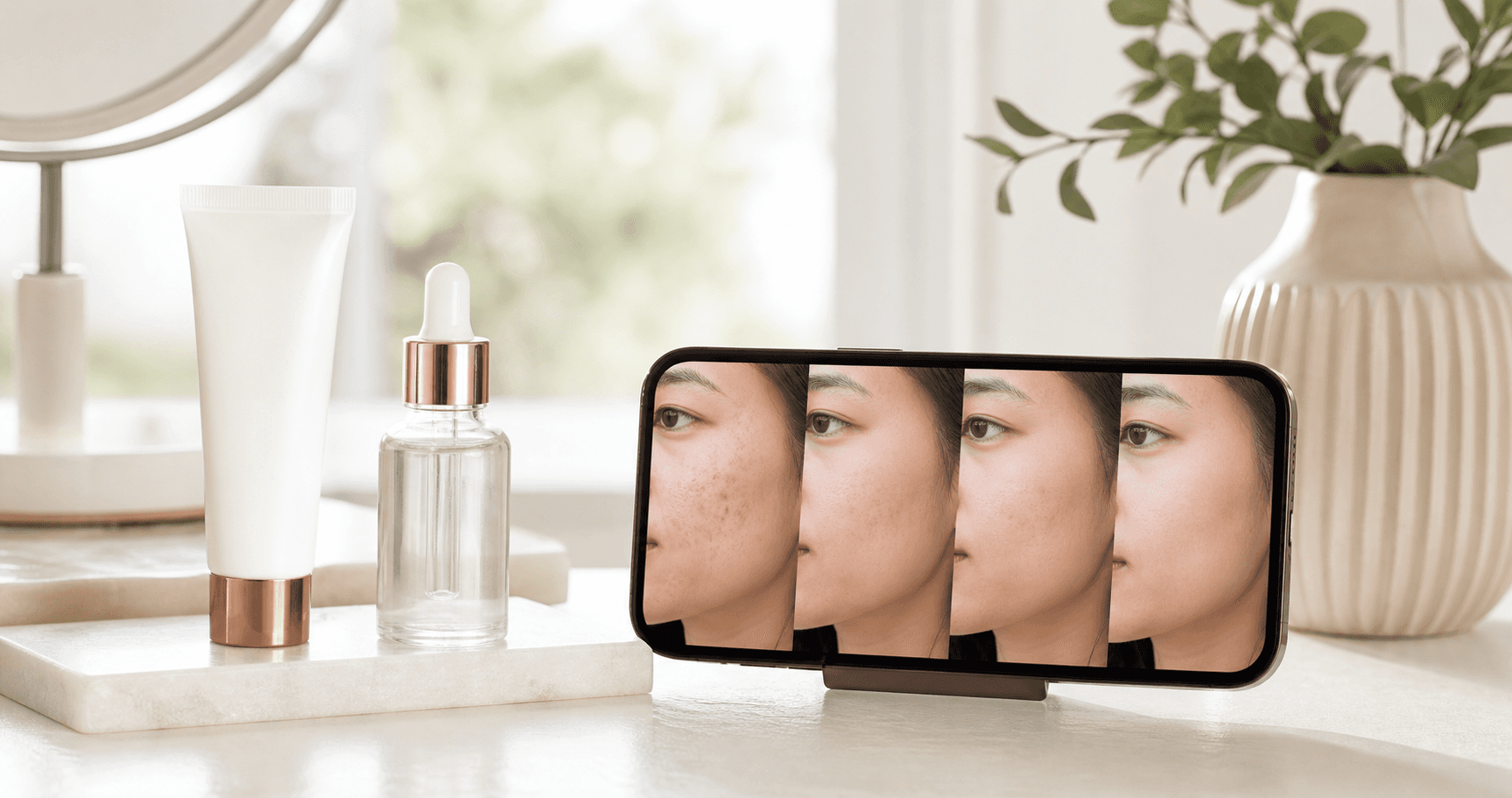
Learn how post-acne color, broader hyperpigmentation, redness, and true scars differ, then build a safer plan for protection, treatment, and tracking.
The Complete Skincare Ingredients Guide: What Works, What Doesn't, and How to Tell
Azelaic acid, exosomes, retinoids and more — a map of every ingredient we cover: what each one does, who it suits, and how to combine them for real results.

The Complete Guide to Skin Concerns: Causes, Treatments, and Real Progress
From facial redness and closed comedones to neck lines and body breakouts — this guide maps every major skin concern, what drives it, and the evidence-based way to treat and track it.
How to Know If Your Skincare Routine Is Actually Working
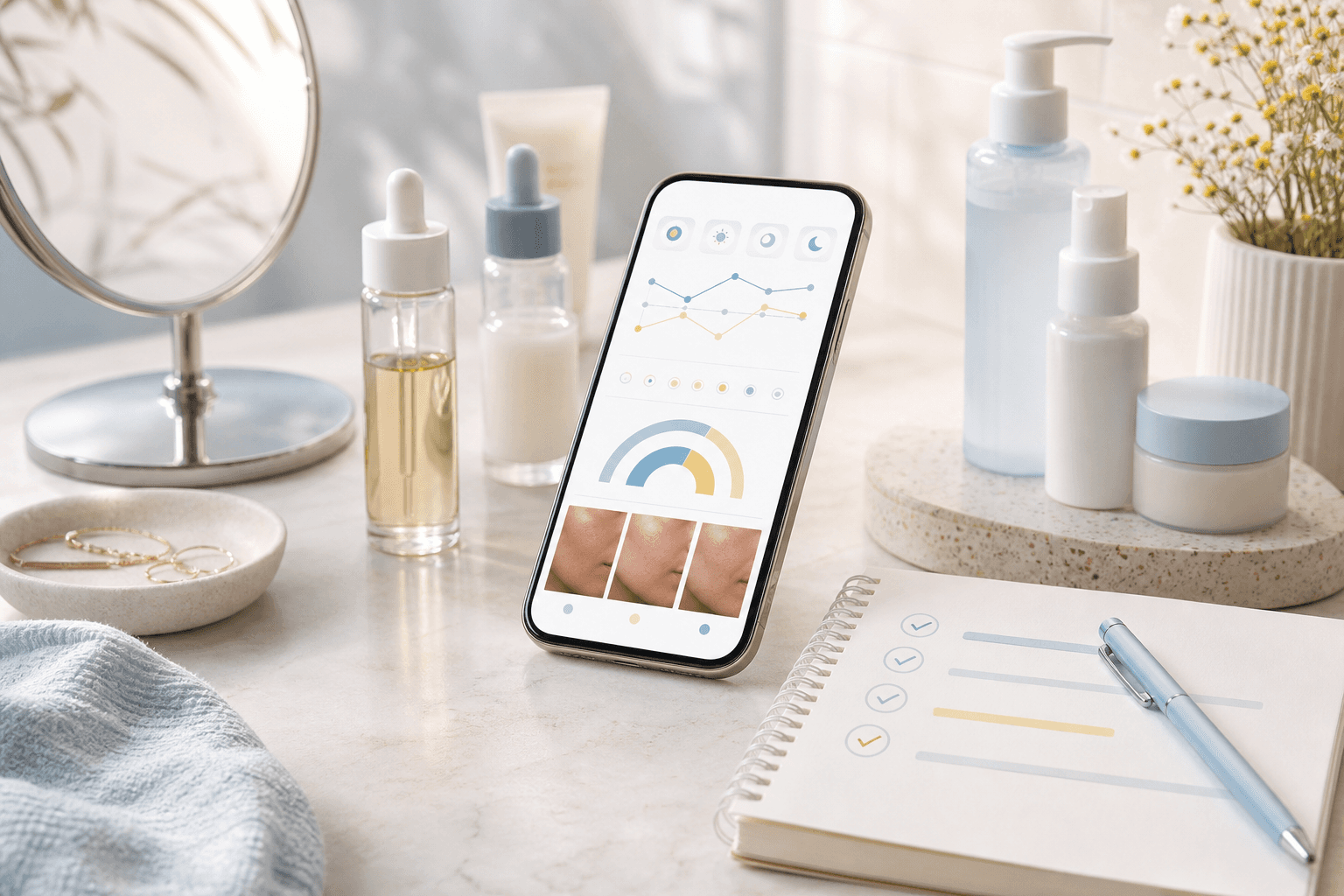
Most skincare changes are subtle before they are obvious. This guide shows how to track texture, redness, breakouts, and comfort over time so you can tell whether your routine is helping, irritating, or doing nothing.

The Body Skincare Struggle Is Real - How to Actually Make It Happen
You know you should moisturize your body. You know dry skin ages faster, that sun damage accumulates, that your arms and hands betray your age. Yet here you are, standing in your bathroom, looking at that expensive body lotion, and feeling... nothing. Or worse, dread. You're not lazy—body skincare is genuinely challenging for many people. The sensory experience, the time commitment, the sheer surface area—it's overwhelming. This guide isn't about guilting you into compliance. It's about understanding why body care feels so miserable and finding strategies that actually work for your brain, your schedule, and your sensory preferences.

Tretinoin and Dark Circles: Limits, Risks, and Questions to Ask
Dark circles can have pigment, vascular, structural, or mixed causes, so tretinoin is not a universal solution. Because prescription tretinoin can irritate the eye area, this guide focuses on limitations, safety, and questions to discuss with a dermatologist.
Hydration vs. Active Ingredients: When Barrier Support Comes First
Hydration and active ingredients serve different goals. When skin feels tight, stings, flakes, or becomes unusually reactive, simplifying the routine and supporting the barrier may be more useful than adding another treatment.

Azelaic Acid for Acne, Redness, and Dark Marks: What the Evidence Supports
Azelaic acid can support acne, redness, and post-acne marks, but results depend on the formula, concentration, consistent use, and individual tolerance. This guide separates established uses from marketing claims and explains when professional advice matters.

The Ultimate Guide to Anti-Aging Body Skincare That Actually Works
We obsess over facial skincare, investing hundreds in serums, retinoids, and sunscreen—then throw on whatever generic body lotion is on sale. Meanwhile, our hands, arms, chest, and legs are aging just as visibly. Body skin represents over 95% of our total skin surface, yet receives a fraction of the attention and care. This comprehensive guide will transform your approach to body anti-aging, providing science-backed strategies that deliver visible results without requiring hours of daily maintenance.
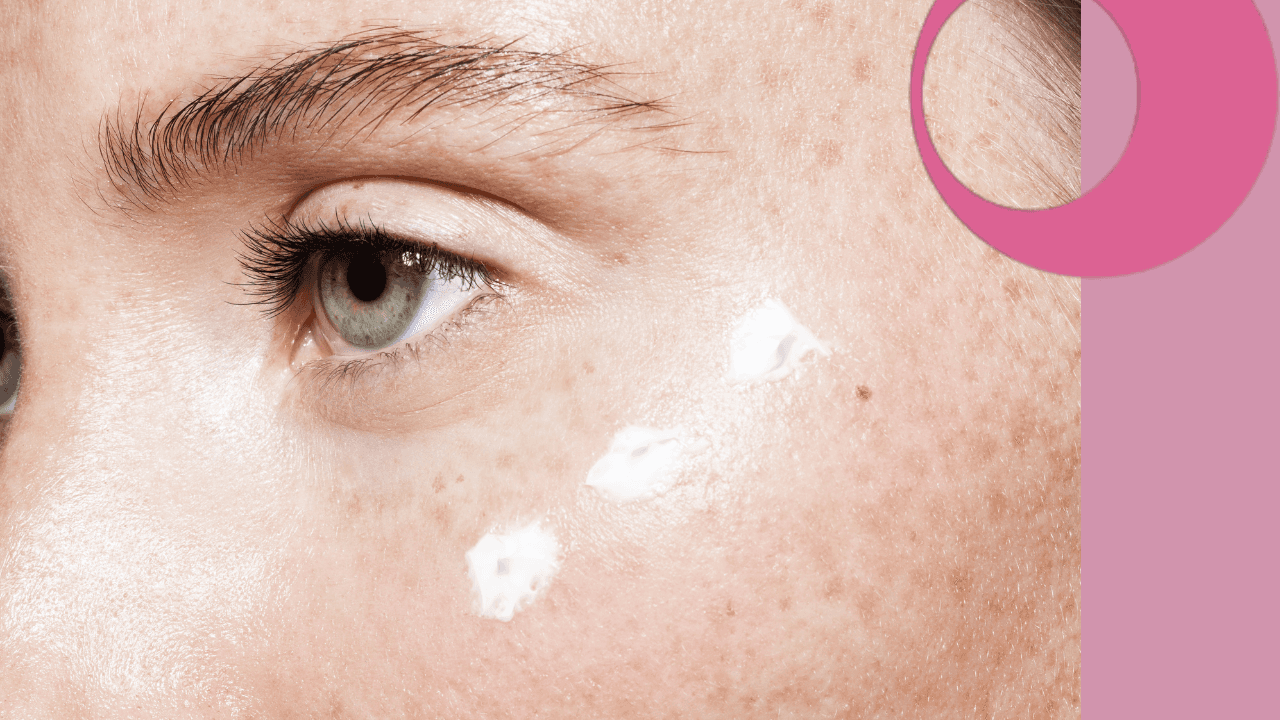
Neck Lines After 30: Prevention, Skincare Limits, and Treatment Options
Neck lines reflect normal movement, anatomy, sun exposure, and changes in collagen over time. Skincare may improve hydration and surface texture, but deeper lines often require realistic expectations and professional assessment.

Why Gaining Weight Might Be Your Best Beauty Investment
In a beauty industry obsessed with weight loss and sculpted physiques, one piece of advice is causing waves: sometimes, the best anti-aging strategy isn't another expensive serum or invasive procedure—it's gaining a few pounds. This counterintuitive approach is gaining traction among dermatologists, plastic surgeons, and real people seeing remarkable results. Let's explore why facial volume might be the youth secret we've been overlooking.

Minimalist Skincare in 2026: When a Simpler Routine Helps
A shorter routine can make irritation, product overlap, and results easier to understand. Minimalist skincare is not about avoiding useful treatments; it is about keeping the essentials and adding only what serves a clear goal.
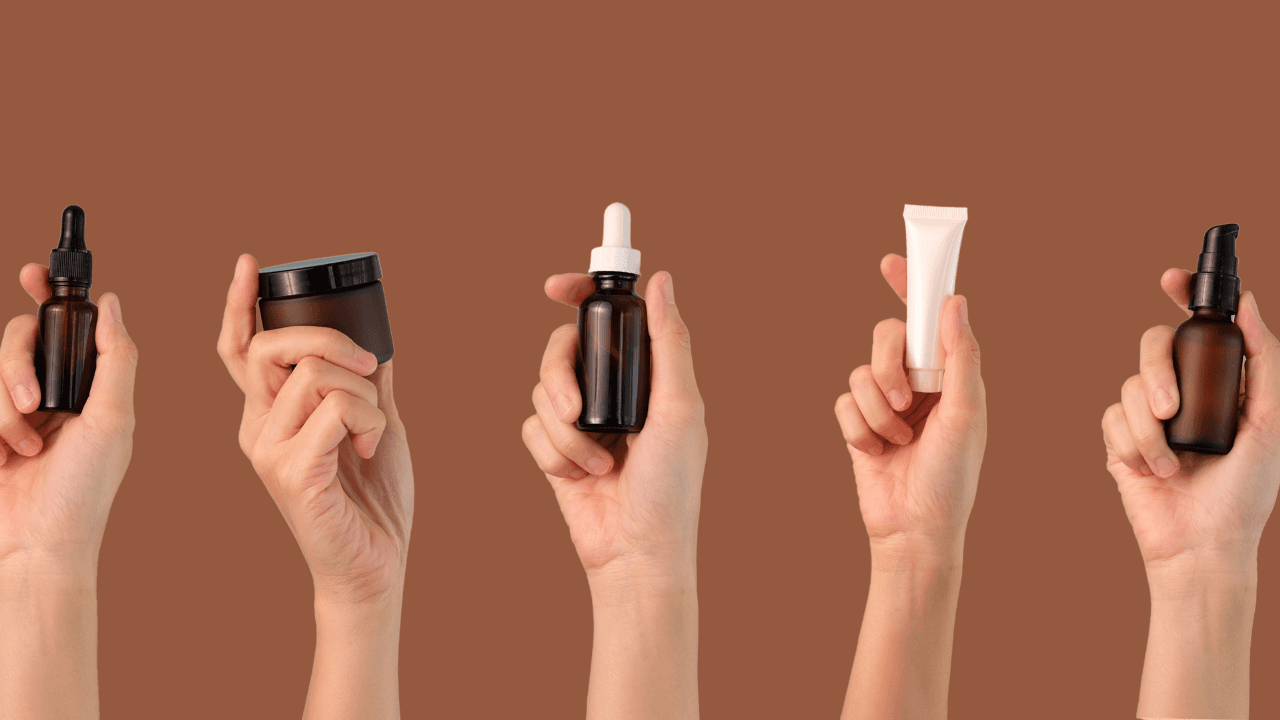
Tretinoin and Eye Area Aging: Addressing Treatment Limitations and Solutions
Tretinoin is one of the most powerful tools in anti-aging skincare. It can smooth wrinkles, fade acne scars, and bring back a healthy glow. Yet, despite its dramatic effects on most areas of the face, one frustration remains: the delicate skin around the eyes often tells a different story."

Lip Filler Problems: Understanding Migration and Achieving Natural Results
Lip filler migration is more common than you think. How to spot it, how to fix it, and what to ask your injector to get natural-looking results.
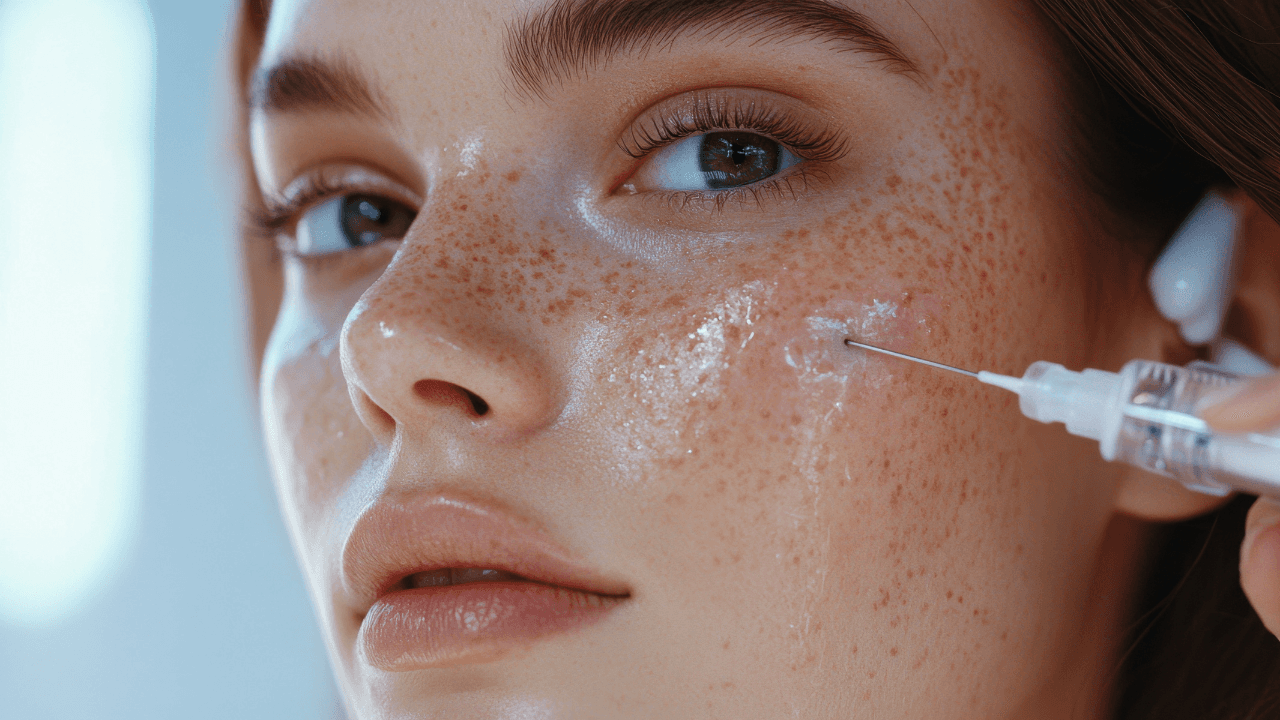
Pimple Patches That Work: Brand Name vs Generic Hydrocolloid Comparison
The core technology of trendy pimple patches remains identical across price points, yet marketing and packaging can inflate costs by 500% or more. Understanding what makes hydrocolloid patches effective helps consumers make informed decisions

Best Products for Oily Skin: Real User Success Stories vs. Epic Fails
When someone first starts their skincare journey, they often make every mistake in the book. Armed with determination and a credit card, they march into Sephora and emerge with a bag full of products that promise to transform their oily, acne-prone skin. Six months and several hundred dollars later, their skin looks worse than when they started. Sound familiar?

Neck Aging Solutions: Advanced Treatments Beyond Botox for Platysma Bands
Many people in their mid-thirties start noticing something that makes them pause every morning while applying makeup. While their face looks refreshed and youthful thanks to consistent skincare routines, their neck tells a different story. Prominent vertical bands appear seemingly overnight, creating an unwelcome contrast that no amount of concealer can hide. When dermatologists suggest Botox, patients are hopeful—until the results prove disappointing. The bands soften slightly, but the overall appearance remains far from the smooth, youthful neck they remember.

Hidden Skincare Triggers: Unexpected Ingredients That Cause Sensitive Skin Reactions
Many dermatologists and skincare experts think they know everything about sensitive skin ingredients. Those with rosacea-prone skin carefully avoid the usual suspects: fragrances, alcohol, and harsh actives. So when trusted "gentle" moisturizers suddenly start causing burning and redness, it's baffling. After patch testing reveals sensitivities to ingredients like propanediol—compounds most people have never heard of—it becomes clear how little most people understand about hidden skincare triggers.
Beauty Appointments and Professional Services: A Working Professional's Complete Guide
Juggling a demanding career while maintaining your appearance feels like an impossible puzzle—especially when most salons operate during the exact hours you're expected to be at your desk. If you've ever felt guilty about taking time off for a facial or struggled to find time for basic grooming maintenance, you're part of a massive community of working professionals facing the same challenge.
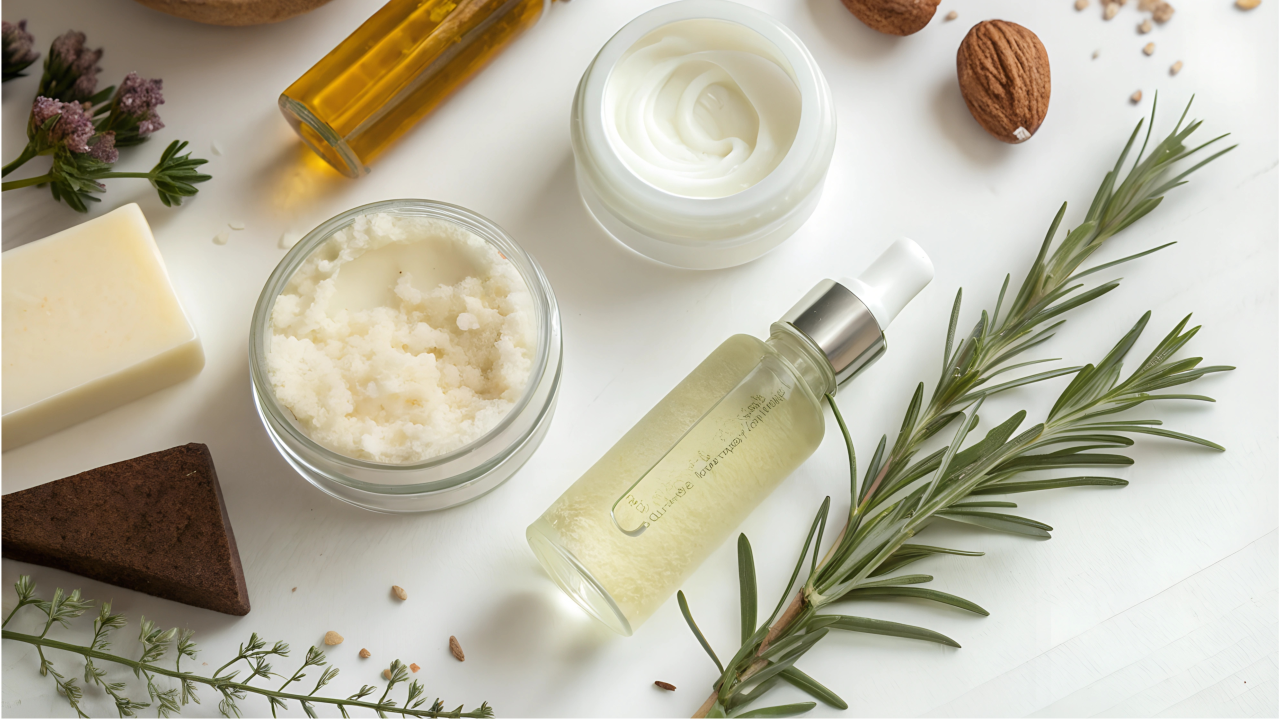
Best Skincare for Aging Skin: Evidence-Based Routines That Actually Work
As we age, our skin undergoes significant changes that require a strategic, science-backed approach to skincare. The quest for the best skincare for aging skin isn't about chasing the latest trends,it's about understanding your skin's evolving needs and implementing proven solutions that deliver measurable results. This comprehensive guide will walk you through everything you need to know about creating an effective anti-aging skincare routine, backed by dermatological research and real-world results.
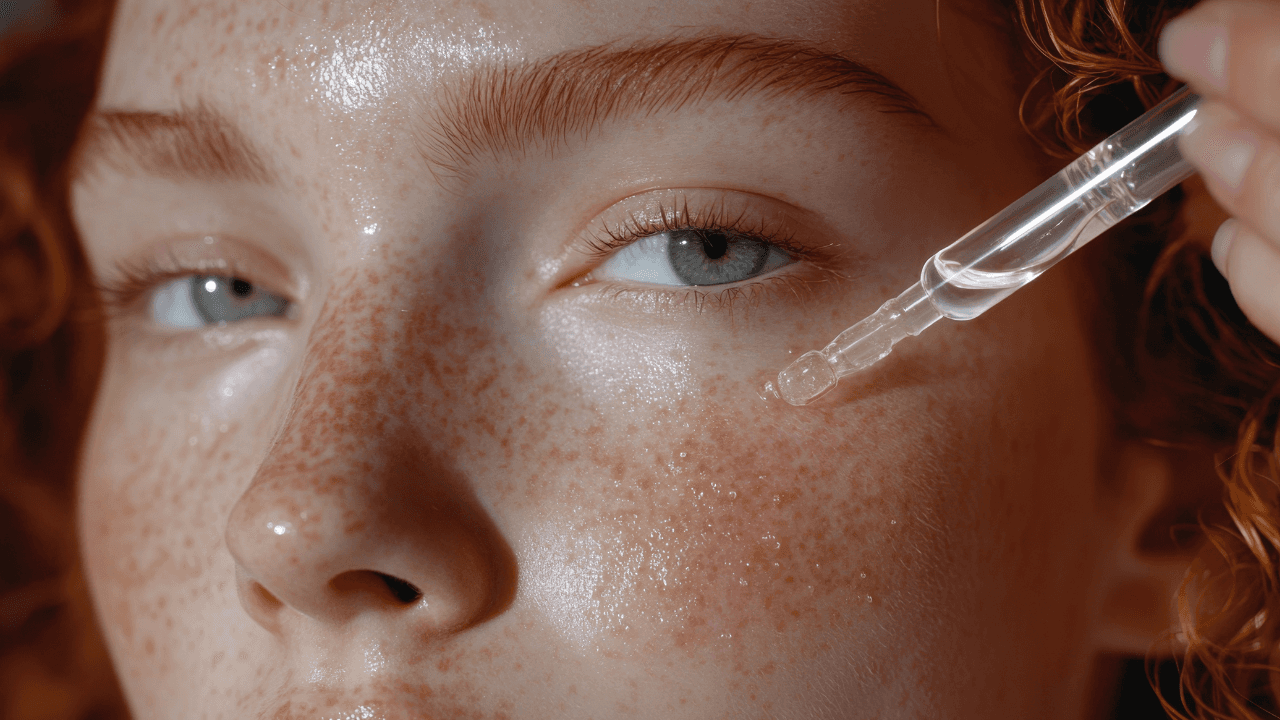
Skincare After 30: Why Your Routine Stopped Working and How to Fix It
That moment when you realize your trusted skincare routine isn't delivering the same results it used to—welcome to skincare after 30. If you're staring at your bathroom counter, wondering why your holy grail products suddenly feel wrong for your skin, you're experiencing one of the most common beauty transitions. Your skin has evolved, and it's time your routine evolved with it.

Closed Comedones on the Chin: Causes and a Gentle Treatment Plan
Closed comedones are small clogged pores that can be confused with other types of bumps. A simple routine, gradual use of appropriate acne ingredients, and avoiding picking are safer starting points than aggressive scrubbing or stacking several actives.

The Complete Guide to Hand, Foot, and Nail Care: Transform Your Neglected Extremities
While you've perfected your facial skincare routine and invested in premium serums, your hands, feet, and nails have been quietly suffering from neglect. If you've ever caught a glimpse of your hands in harsh lighting and winced, or felt embarrassed to remove your socks after a long day, you're not alone. These hardworking body parts deserve the same attention and care you give your face.

Facial Redness Treatment: A Complete Guide to Calming Persistent Flushing
If you wake up each morning hoping today will be different, only to see familiar redness staring back at you in the mirror, you're joining millions of people dealing with persistent facial redness. Whether it's a constant flush across your cheeks, unpredictable flare-ups, or redness that seems to have no rhyme or reason, this frustrating condition affects both your appearance and confidence.
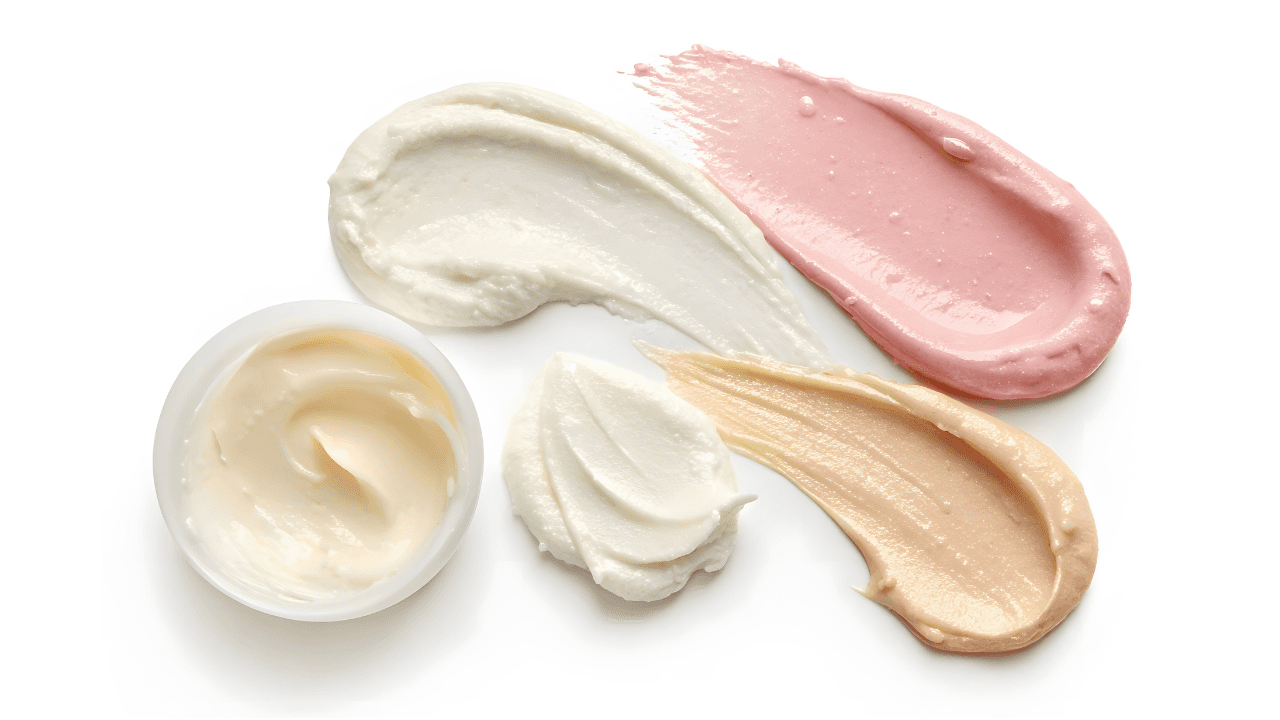
The Complete Guide to Skincare Product Layering: What Goes Where and When
Standing in front of your bathroom mirror with multiple serums, treatments, and moisturizers, wondering if you're about to create a face-melting chemistry experiment? You're not alone. The modern skincare routine has evolved from simple cleanse-and-moisturize to complex multi-step regimens, and with that evolution comes confusion about proper skincare product layering.

Armpit Breakouts: The Complete Guide to Understanding and Treating Underarm Acne
That moisturizer that got you through your twenties? it's time to level up.
The Complete Guide to Building Your Perfect Skincare Routine: Essential Steps for Healthy, Glowing Skin
Building an effective skincare routine doesn't have to be overwhelming. Whether you're a skincare beginner or looking to optimize your current regimen, understanding the proper steps for a skincare routine is crucial for achieving healthy, radiant skin. This comprehensive guide will walk you through every essential step, backed by dermatological research and expert insights.

Skincare Routine Order: Layering Rules and Ingredient Compatibility
A practical routine order is less about a rigid “perfect” sequence and more about prescription directions, product compatibility, texture, and sunscreen as the final morning step. This guide explains the useful rules and their exceptions.

Best Skincare for Sensitive Skin: Expert Guide to Gentle, Effective Products
If you've ever experienced stinging, burning, or breakouts after trying a new skincare product, you're not alone. According to dermatological research, over 60% of women and 52% of men report having sensitive skin, making it one of the most common skin concerns today. Finding the best skincare for sensitive skin isn't just about choosing "gentle" products, it's about understanding your skin's unique triggers and building a routine based on data, not guesswork.
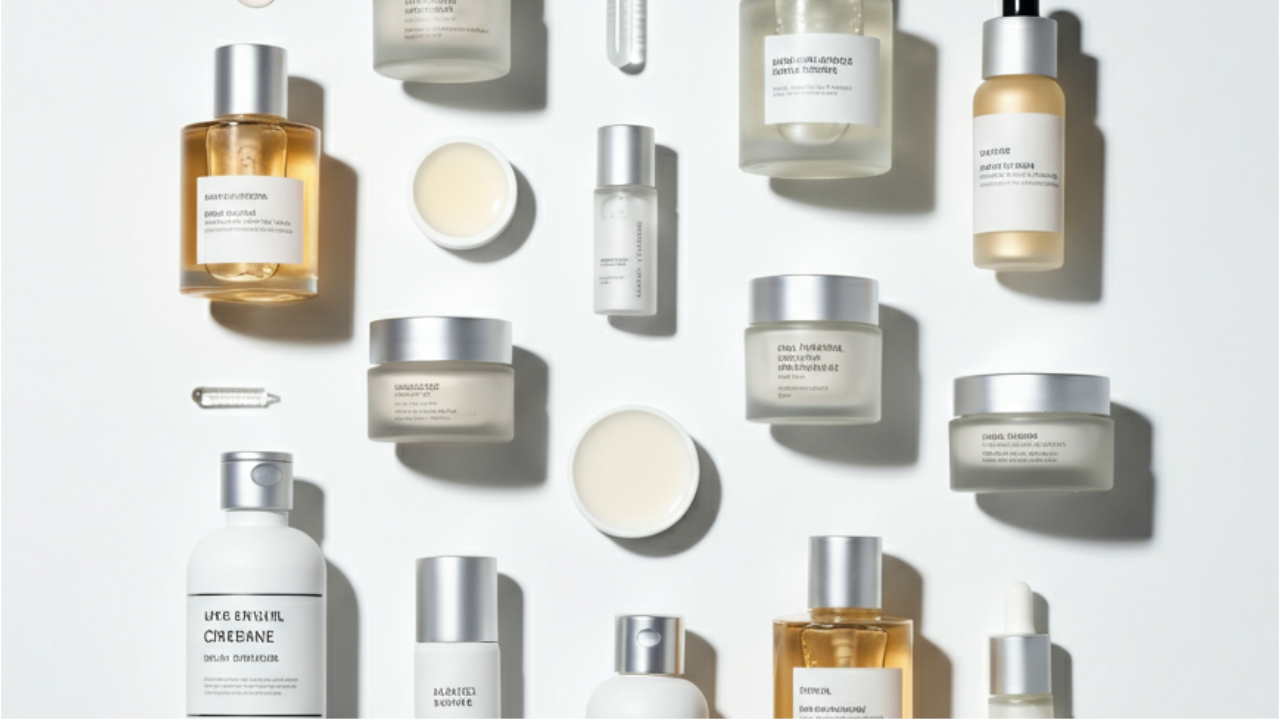
Top Rated Korean Skincare: The Ultimate Guide to K-Beauty Products
Korean skincare has revolutionized the beauty industry with its innovative ingredients, multi-step routines, and science-backed formulations. But with thousands of K-beauty products flooding the market, how do you identify the top rated Korean skincare products that will truly transform your skin? This comprehensive guide reveals the most effective Korean skincare products, breaks down the philosophy behind K-beauty, and shows you how to build a personalized routine that delivers real results.
The Coconut Oil Debate - Why It Works For Some But Not Others
Coconut oil occupies a uniquely polarizing position in the skincare world, with passionate advocates swearing by its transformative effects while equally adamant critics warn against its comedogenic properties and potential for disaster. This stark divide isn't merely a matter of personal preference but reflects genuine biological variations in how different skin types respond to this controversial ingredient. Understanding why coconut oil works brilliantly for some individuals while causing significant problems for others requires examining its unique molecular structure, skin barrier interactions, and the complex interplay between individual biology and skincare chemistry.

Exosomes in K-Beauty - Miracle Ingredient or Marketing Hype?
Exosomes have emerged as K-beauty's latest frontier ingredient, promising revolutionary anti-aging results through cellular communication and regeneration. These microscopic vesicles, derived from stem cells or plant sources, are being marketed as the next-generation solution for skin rejuvenation. But beneath the impressive scientific terminology and premium price points lies a complex reality that deserves closer examination. This comprehensive analysis explores what exosomes actually are, how they're being used in Korean skincare, and whether the science supports the substantial investment these products require.